

Wildlife & Rainforest Photography at Wellness Park: An Ethical Guide to Capturing Arenal's Biodiversity
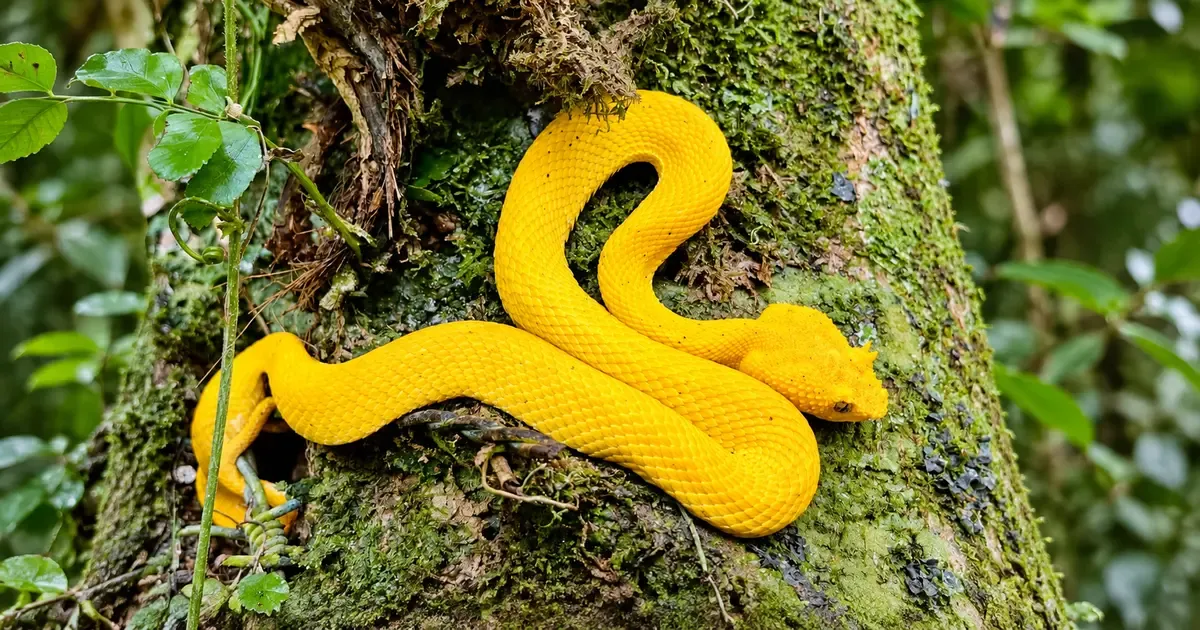
Wellness Park is a private, 45-hectare rainforest sanctuary near Arenal Volcano in La Fortuna, Costa Rica, and it was built for exactly this kind of slow, respectful costa rica wildlife photography. Rivers, waterfalls, and a 3.5 km trail network wind through protected forest where certified naturalist guides help photographers find frogs, birds, and nocturnal wildlife without disturbing them. This guide walks through what to pack, which Wellness Park experiences deliver the best shots, and how to plan a stay that puts the rainforest at your doorstep.
Key Takeaways
- Wellness Park's 45-hectare private sanctuary near Arenal Volcano concentrates wildlife, trails, rivers, and waterfalls in one protected property.
- A certified naturalist guide and spotting scope on every guided walk help photographers get closer views without disturbing animals.
- The Night Walk and Birdwatching Experiences target nocturnal and early-morning subjects that daytime visits miss.
- Groups are capped at 8 guests per guide, keeping every photography walk unhurried and low-impact on the habitat.
Why is Wellness Park an ethical wildlife photography destination?
Wellness Park protects a dense tract of tropical rainforest at the base of Arenal Volcano, and that privacy is what makes it work for photographers. Instead of competing with crowds on a public trail, guests move through a 3.5 km (2.2 mi) route inside a 45-hectare reserve with a certified naturalist guide who knows where the forest is active that day.
What makes a private sanctuary better for photography than a public park?
Wildlife sightings are never guaranteed in a wild, protected forest, but a trained guide's eyes greatly increase the odds of spotting animals that most visitors would walk right past. Guides carry a spotting scope on every walk, so guests get a closer, clearer view while keeping a respectful distance from the animal itself.
How does Wellness Park balance access with conservation?
The park's mission centers on comprehensive wellness tourism within an environment of high biodiversity, a rural attraction the family that founded it has protected for generations. That commitment shows up in small practical choices: guided walks are capped at 8 guests, departure times are set for the forest's most active hours, and the trail explores only a portion of the full reserve so the rest stays undisturbed.
What gear should you bring to Wellness Park's rainforest trails?
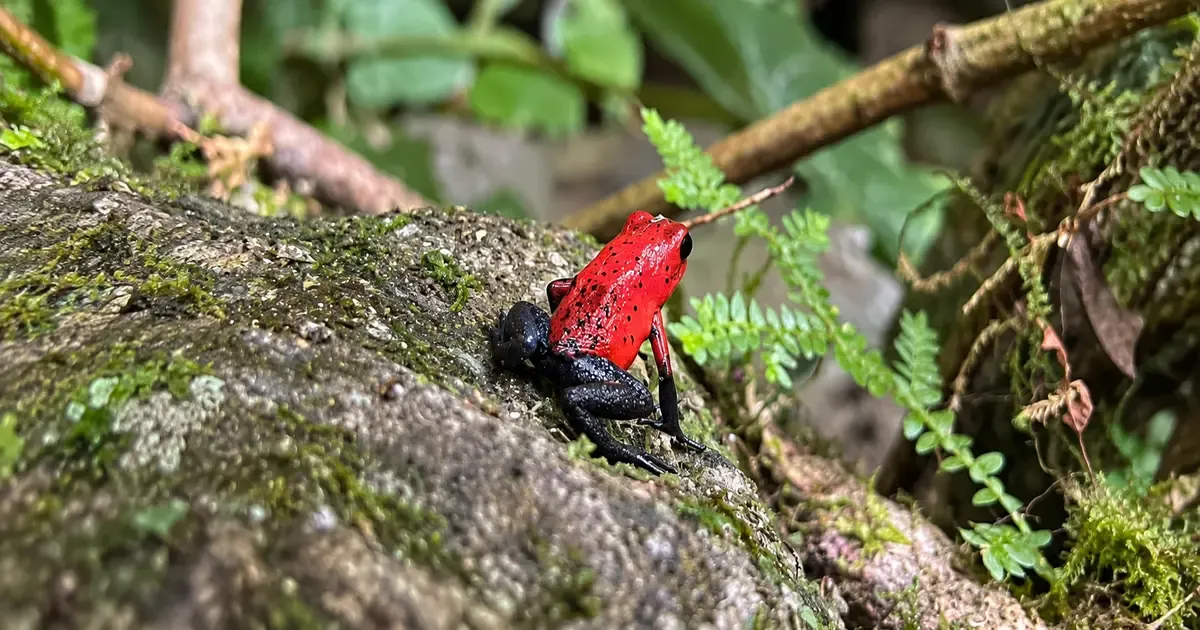
Rainforest photography at Wellness Park rewards a kit built for moisture, low light, and close-up subjects rather than long lenses for distant game. A macro lens is the single most useful piece of gear here, since the trail's richest subjects, tree frogs, insects, and tropical flora, reveal themselves at arm's length rather than across a clearing.
What should go in your camera bag before a guided walk?
Pack closed-toe shoes with good traction, since the trail crosses uneven, often damp ground. Wellness Park provides a rain poncho on guided walks, but your camera still needs its own protection: a rain cover, silica gel packets against humidity, and a lens cloth for the condensation that builds up under dense canopy.
Why does a spotting scope change what you can photograph?
A spotting scope lets your guide locate wildlife at a distance the animal never notices, which means you can compose a shot without closing in and causing stress or flight. Pairing that with a macro lens for close subjects covers nearly everything the reserve offers, from a toucan in the canopy to a frog on a rain-soaked leaf just off the trail.
How does Wellness Park protect wildlife during a photo walk?
Every Wellness Park experience is led by a certified naturalist guide, and that guidance is what keeps photography here ethical rather than invasive. Guides set the pace, decide how close is safe, and know when to simply let an animal be rather than push for a better angle.
Why do small group sizes matter for wildlife encounters?
Guided walks are limited to 8 guests per guide, a deliberate cap that keeps noise and movement low enough that wildlife behaves naturally. A quieter group sees more, and the animals they do see are undisturbed by the encounter, which is exactly the kind of image worth bringing home.
What does a respectful wildlife encounter look like in practice?
The right response to an unexpected sighting, a bird in the canopy, movement in the leaf litter, is to slow down and let the guide read the situation first. Wellness Park's guides are trained to prioritize the animal's comfort over a photographer's shot list, and that patience is consistently what produces the most natural, least staged images.
Which Wellness Park experiences offer the best photo opportunities?
Wellness Park's experiences are built around different hours and behaviors in the forest, so a visit that combines two or three of them covers far more ground than a single outing could.
| Experience | Duration | Photography Focus | Starting Price |
|---|---|---|---|
| Rainforest Mindfulness Guided Walk | 2 hours | Slow, intimate rainforest detail | $138 p.p. |
| Birdwatching Experience | 4 hours | Canopy and understory birds at their most active | $65 p.p. |
| Rainforest Guided Walk | 3 hours | General wildlife, trails, naturalist-led sightings | $46 p.p. + tax |
| Night Walk Experience | 2 hours | Nocturnal wildlife, frogs, insects | $49 p.p. |
| Self-Guided Walk | 1–3 hours | Independent exploring at your own pace | $10 |
Why is the Night Walk Experience essential for a complete portfolio?
Daytime visits miss an entire layer of the forest's life. The Night Walk Experience steps into that hidden world after sunset, when frogs, insects, and other nocturnal subjects become active and visible in ways a daytime trail never reveals.
Why book the Birdwatching Experience specifically at dawn?
Early morning is the most active time in the forest, when birds are vocal, feeding, and moving through the canopy and understory. A four-hour window at that hour gives photographers repeated chances at a shot that a shorter, later walk would likely miss entirely.
Where should you stay for a Wellness Park photography trip?
Staying on-site turns the rainforest into a doorstep rather than a destination you drive to each morning. Wellness Park's accommodations, including the Peace Dome, the Harmony Dome, the Arenal Family Bedroom, and the Arenal Nature Dome, sit along the park's own rainforest trails, with volcano views, rainforest views, and private jacuzzis available depending on the dome.
How does staying on the property change a photographer's schedule?
Guests staying at Wellness Park can step onto the trail system before a tour group would even arrive elsewhere, catching the early light and the forest's quietest, most active hours without a commute. That proximity is what lets a single stay cover a Birdwatching Experience at dawn and a Night Walk after dinner.
How can you plan a successful photography trip to Wellness Park?
A focused stay at Wellness Park, built around two or three experiences rather than one rushed visit, consistently produces a stronger set of images than trying to see everything in a single outing.
Key planning steps include:
- Book guided experiences in advance, since departure times are set and some walks require a minimum of 2 people.
- Pair a dawn Birdwatching Experience with an evening Night Walk to cover both active windows in one stay.
- Choose a dome with trail access so early and late sessions don't require extra travel time.
- Pack for humidity and rain with sealed camera bags, a rain cover, and silica gel, even though a poncho is provided on guided walks.
Frequently Asked Questions
What gear is essential for photographing wildlife at Wellness Park?
A macro lens is the top priority for the park's close-up subjects like frogs and insects, paired with a rain cover and silica gel packets to protect gear from rainforest humidity.
How many people join a guided walk at Wellness Park?
Guided walks are capped at 8 guests per naturalist guide, keeping the group small enough to move quietly and improve the odds of an undisturbed wildlife sighting.
Which Wellness Park experience is best for nocturnal wildlife photography?
The Night Walk Experience is built specifically for this, revealing frogs, insects, and other nocturnal subjects that daytime trails at the park don't show.
Conclusion
A photography trip to Wellness Park works best when it follows the forest's own rhythm rather than a fixed shot list. Pairing a dawn Birdwatching Experience with an evening Night Walk, staying on-site in one of the park's domes, and trusting a certified naturalist guide to set the pace consistently produces the most genuine images, and the deepest connection to Arenal's rainforest.